


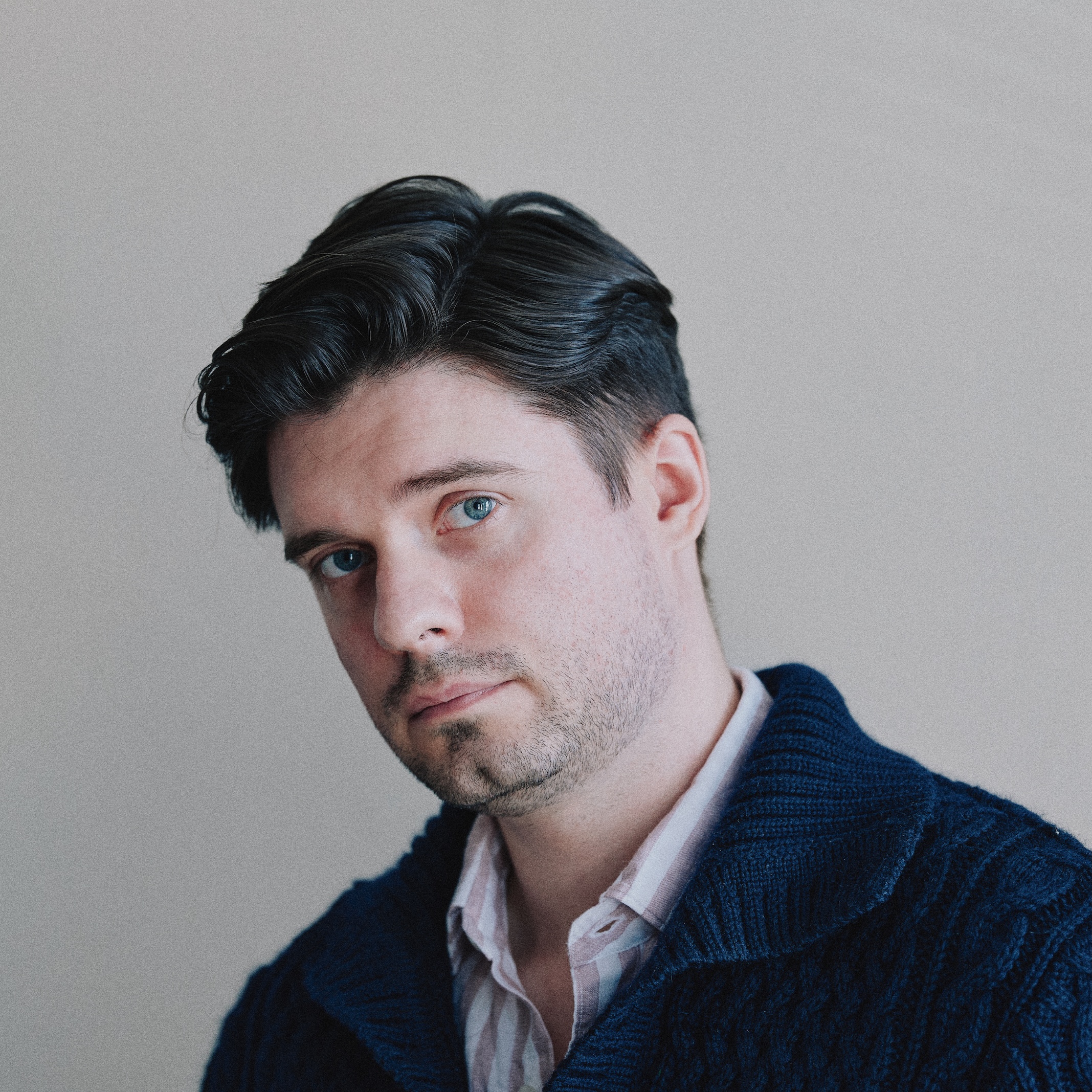
Sebastian Szyller: I want to make machine learning more dependable and resilient to attacks

What do you research?
My research focuses on trustworthy and adversarial machine learning. It's a cross-disciplinary research field at the intersection of machine learning, security/privacy, and broadly defined transparency. I explore ways of making machine learning-based systems more dependable and more resilient to malicious cyber attacks
For instance, I’ve studied how to train privacy-preserving machine learning models, how to safeguard them and ensure robust predictions in untrusted environments.
Why are you interested in this topic?
Since my undergraduate days, I have had a keen interest in large-scale data systems.
Initially, I got into big data and shortly after that, machine learning. I quickly realised that in order to be broadly deployed and reach their full potential, machine learning models would require an immense amount of safeguards to increase their trustworthiness.
From there, I spent almost ten years investigating various aspects of the field.I began with a bachelor’s thesis at the intersection of machine learning and cryptography. This was followed by a joint research-focused MSc and PhD with a strong focus on the defenses against model stealing and ownership verification.
Eventually, while working as a research scientist at Intel Labs, I examined the security and privacy of large language models.
My industry experience improved my ability to clearly define and scope projects. It also, gave me a unique dual perspective: Co-authoring proposals as a researcher, while also evaluating academic proposals from the other side.
These experiences shaped my vision of effective academia-business collaborations.
What is the most important quality of a researcher?
To me, research projects resemble the startup scene quite a bit. They involve many ideas, validations and iterations.
There are two key factors to consider. From a principled perspective, researchers have to be curious to invent or discover new things–embracing an unapologetic vision, if you will. However, researchers also have to be quite industrious.
Science progresses rapidly, and you need to stay on top of it. Additionally, you need to wear many hats: supervision, funding, outreach, to name just a few.
What are your expectations for the future?
Establishing a successful lab is a no-brainer. But a loftier goal would be to establish trustworthy machine learning as a key competence in Finland.
We have great faculty that cover fundamental security, machine learning and adjacent areas. I want to build on this foundation by creating a hub for trustworthy adversarial machine learning research that attracts top talent and fosters collaboration across institutions (both academia and industry).
Read more news

Strong results from the Research Council’s winter call
A total of 54 Aalto researchers received Academy Research Fellow or Academy Project funding from the Research Council of Finland. The total funding awarded to Aalto University amounts to 33.2 million euros.
Aalto University’s solutions at the New European Bauhaus Festival support the EU’s ambition to become world leader in circular economy
Aalto University presented several different circular economy solutions at The European Commission’s New European Bauhaus Festival in Brussels. The event brought together leading names in EU policymaking, researchers, designers and grassroots actors from across Europe to shape a more sustainable future.
Iina Vaajamo appointed to a five-year fixed-term Assistant Professorship at the Department of Chemical and Metallurgical Engineering
DSc. (tech.) Iina Vaajamo has been appointed to a five-year fixed-term position as Assistant Professor in the tenure track system at the Department of Chemical and Metallurgical Engineering effective 1. September 2026. The field of the professorship is pyrometallurgy.