


Scientists unravel the effects of new medication for advanced melanoma with the help of AI

Melanoma is the most dangerous form of skin cancer. Boosting the body’s own immune system, especially its T cells, has been a particularly effective treatment option. The challenge is that although some patients benefit from the treatment, about half of patients do not. Prior research by scientists at Aalto University, the University of Helsinki and HUS has shown that the T cells of non-responsive patients simply don’t recognise cancer cells as an enemy.
‘The correct targeting of therapies is extremely important, since drug therapies are expensive and serious adverse effects fairly common,’ says Jani Huuhtanen, a physician and doctoral researcher at the University of Helsinki and Aalto University’s Department of Computer Science. ‘Our research has shown that better cancer therapies should utilise other parts of the immune system, and not just the T cells’
The research group has now studied how patients, that are not responding to treatment, could be helped with a novel combination of two cancer drugs called nivolumab and relatlimab. The group set out to uncover the effects of relatlimab on the immune system’s cells, which had never been studied before.
The study showed that while relatlimab boosted the effectiveness of T cells in combating invasive cancer cells, it was especially effective in activating so-called natural killer cells (NK cells). These cells are the immune system’s first responders.
‘In this particular case, the task of the NK cells is to help when cancer cells try to hide from T cells,’ says Satu Mustjoki, professor of translational hematology and head of the translational immunology research program at the University of Helsinki and HUS. ‘This finding was unexpected but extremely interesting. NK cells will be at the forefront of cancer therapies in the coming years.’
Mustjoki’s group recently received 1,6 million euros in to dig deeper into the possibilities of cancer therapies that include leveraging NK cells, among other alternatives.
‘There is currently no therapy in clinical use that utilises NK cells specifically,’ says Huuhtanen. ‘It was the close collaboration between our project participants that enabled us to uncover this new treatment option.’
Exploring new frontiers in cancer treatment with AI
The team employed the latest single-cell sequencing techniques and deep learning methods to gather and interpret the data. The team used open-source machine learning models, called scVI and TCRGP, to monitor and validate the effect of relatlimab on T cells in the study. The TCRGP was developed by the research team members in 2021.
‘In the past, cells in blood samples were analysed in bulk. The new single-cell techniques refer to our ability to now analyse individual cells in a sample,’ says Harri Lähdesmäki, associate professor of bioinformatics and machine learning at Aalto University’s Department of Computer Science. ‘This of course, leads to exponential growth in the amount of data, which we can investigate with deep learning and machine learning techniques. Most of the conclusions drawn from this study are based on the insights that these techniques uncovered.’
The advance of computational biology has also had an impact on the way medical research is conducted.
‘Single-cell technologies and deep learning methods have enabled researchers to carry out these type of research projects in a data-driven manner, that is, without strong prior assumptions. Such a hypothesis-free approach will be important in discovering novel biology as well as new treatment options in various diseases,’ says Lähdesmäki.
The study has been published in a publication series of the prestigious .
This article is based on a .
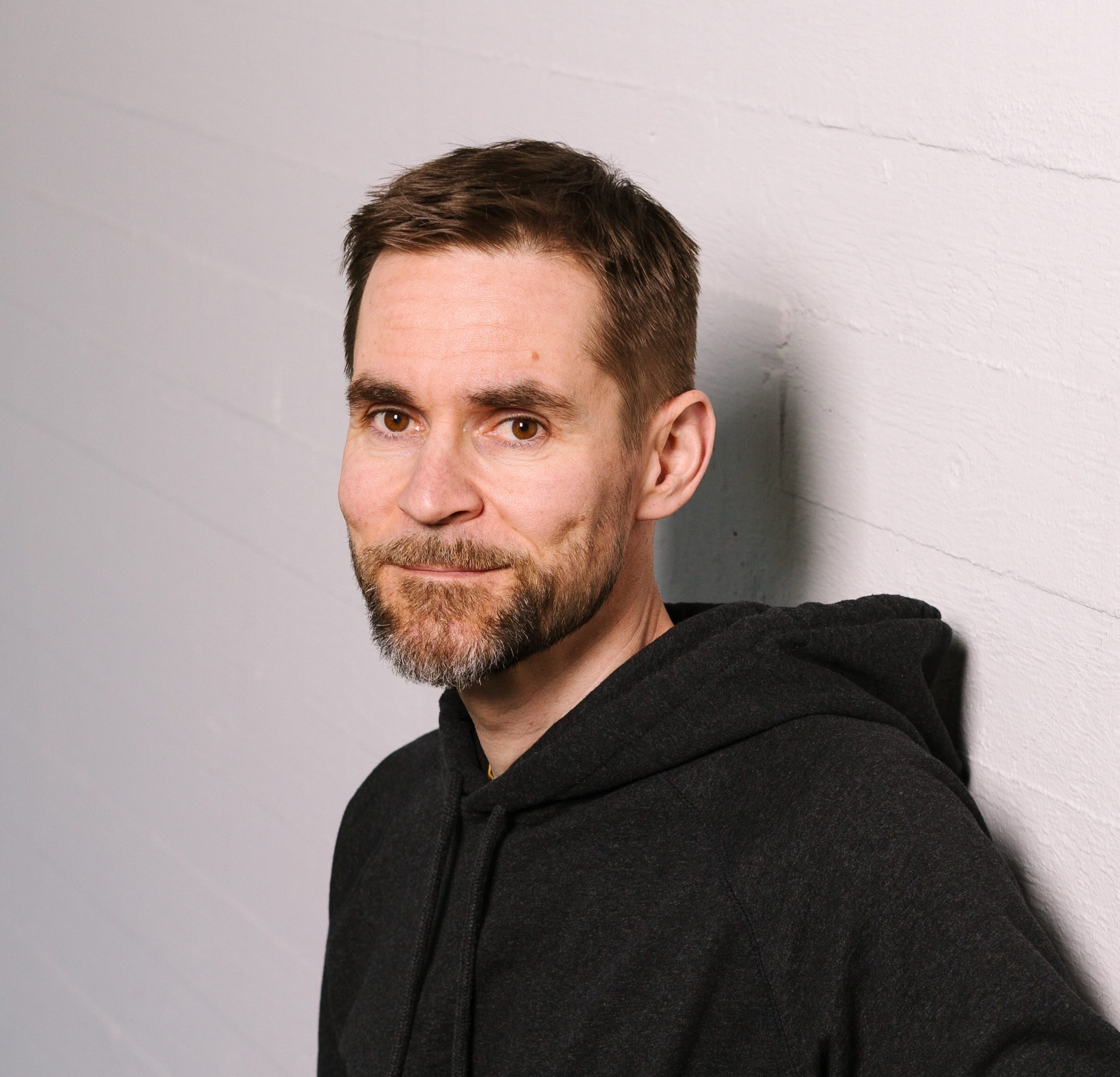
Jani Huuhtanen
Read more news

Applications open for Innovation Postdoc in Bioeconomy
A fully funded, 12 month career track to turn your doctoral discoveries into a bioeconomy startup. Launching autumn 2026.
Finland ranks among Europe’s top investing nations, study finds
Nearly half of Finnish households now invest in stocks or mutual funds, according to a new study from Aalto University.
The film Fjord wins the Palme d'Or at Cannes – featuring a number of Finnish creators
The film was co-produced by Jussi Rantamäki of the film company Aamu, and it also features a Finnish costume and sound designer.