


Global Planning Education Association Network (GPEAN) is a network of 11 planning schools associations from around the world. Established in the wake of the first World Planning Schools Congress in 2001 in Shanghai, the main goal of network is to improve the quality of planning education and the visibility of the planning profession by putting spatial planning and its education at the forefront of the global agenda.
World Planning Schools Congress 2026 - Peripheral Visions, Rethinking Planning
Spatial planning is under pressure from climate crisis, populism, and global economic forces. WPSC 2026 asks whether planning can still shape a just and liveable world.

In this event, we are committed to Aalto University’s principles for a safer space.
The sixth World Planning Schools Conference will take place in July 2026 in Helsinki Capital Region, Finland, hosted jointly by Aalto University, University of Helsinki, and Tampere University. The congress is themed “Peripheral Visions: Rethinking Planning”. GPEAN invites the world planning community to join and contribute to the World Planning Schools Congress in July 2026.
Target audience
The Congress aims to reach a multidisciplinary audience including academics, practitioners, planning, geography, political science, architecture and beyond.
Agenda
Our keynote speakers

Anacláudia Rossbach is the Executive Director of UN-Habitat and an economist with over 20 years of experience in housing, informal settlements, and urban policies. She was appointed Executive Director of UN-Habitat at the UnderSecretary-General level by the General Assembly, following nomination by the UN Secretary-General on 7 June 2024. Prior to this role, she was the Director for Latin America and the Caribbean at the Lincoln Institute of Land Policy and served as Regional Manager for Cities Alliance, where she founded the Urban Housing Practitioners Hub. Prior to that, with the World Bank, she oversaw the development and implementation of Brazilian housing and slum-upgrading policies. Ms. Rossbach has actively contributed to global urban policy discussions and has a strong academic presence in the field. She took office on 12 August 2024

Professor Libby Porter is Director of the Centre for Urban Research at RMIT University where she researches and educates on planning and urban geography. Motivated by social and ecological injustice, her work is about how urbanisation creates forms of dispossession and displacement and what we might do about it. Her research aims to sharpen our understanding about the relationship between land and housing justice, the displacing effects of urban renewal, critical questions of urban governance and the politics of property

Professor Mustafa Kemal Bayırbağ is a faculty member in the department of Political Science and Public Administration, and the Urban Policy Planning and Local Government Graduate Program of Middle East Technical University (METU). He is also a research associate with the Second Cold War Observatory. He took an active part in founding, and now is serving as a member of the board of directors, of MUPA - the Planning Agency of Muğla Metropolitan Municipality.

LIU Jian is a tenured full professor of Urban Planning & Design at Tsinghua University School of Architecture, and a Registered City Planner in China. She received her Bachelor’s degree in Architecture and Master and Doctor degrees in Urban Planning & Design from Tsinghua University. In her professional career of over 30 years at Tsinghua University, LIU Jian has worked as both professor, researcher and town planner, with particular interests on urban and regional development, town and village planning, urban regeneration and redevelopment, planning institution and management, and international comparative studies.

Stefano Moroni is professor of planning at Milan Polytechnic University (Italy). He is a member of the Department of Architecture and Urban Studies (DASTU). He teaches “Planning theory” and “Institutional design”. His main research interests include planning theory, applied ethics, theory and philosophy of the law. He is one of the founders (and, at present, a member of the executive team) of the international research network “NormaCtivity: Research Network on Human and Non-Human Normativity”.

Ali Madanipour (MArch, PhD) is Professor of Urban Design at the School of Architecture, Planning and Landscape, Newcastle University, UK, where he has been the co-founder and former director of the Global Urban Research Unit (GURU). His research has critically investigated the urban transformation processes and their implications for disadvantaged social groups and the environment, in projects on social exclusion, urban governance, public space, knowledge and rationality, temporality and authenticity

Aleksi Neuvonen is a social entrepreneur and futures thinker. He is the co-founder of the think tank Demos Helsinki. Aleksi is an acknowledged thinker and expert dedicated to analyzing how societies and organizations change—or resist change. He holds a PhD from the Radboud University Nijmegen School of Management and the Tampere University Faculty of Built Environment. During his career, Aleksi has published over 30 reports, books or academic articles, focusing primarily on methods and tools for transformative change. Currently, he leads a work package in "SISU - Sufficiency solutions for a resilient, green, and just Finland", a large multi-actor research project funded by the Strategic Research Council (SRC). Previously, Aleksi has also built a societal vision on sustainable wellbeing in the Next Era program together with The Finnish Innovation Fund Sitra and created globally renowned scenarios on sustainable lifestyles under SPREAD Sustainable Lifestyles 2050 project.
Organizing Committee in Aalto University

Raine Mäntysalo - Chair of the Local Committee
Professor of strategic urban planning, HoD, Aalto University, Dept. of Built Environment, member of AESOP CoRep
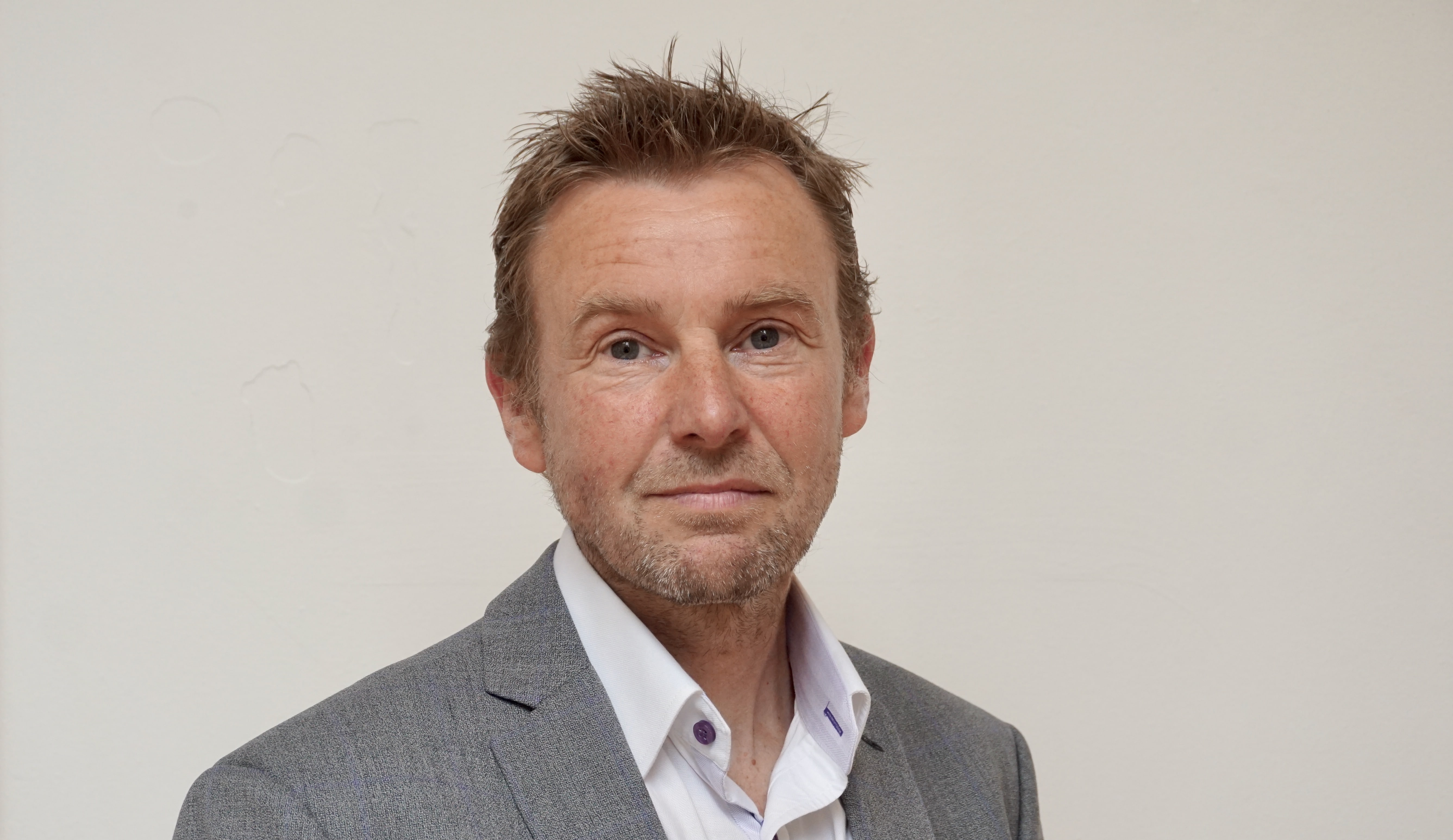
Dominic Stead
Deputy Chair, professor of Land Use and Transport Planning, Aalto University, Dept. of Built Environment
Hossam Hewidy
Deputy Chair, professor of Land Use and Transport Planning, Aalto University, Dept. of Built Environment
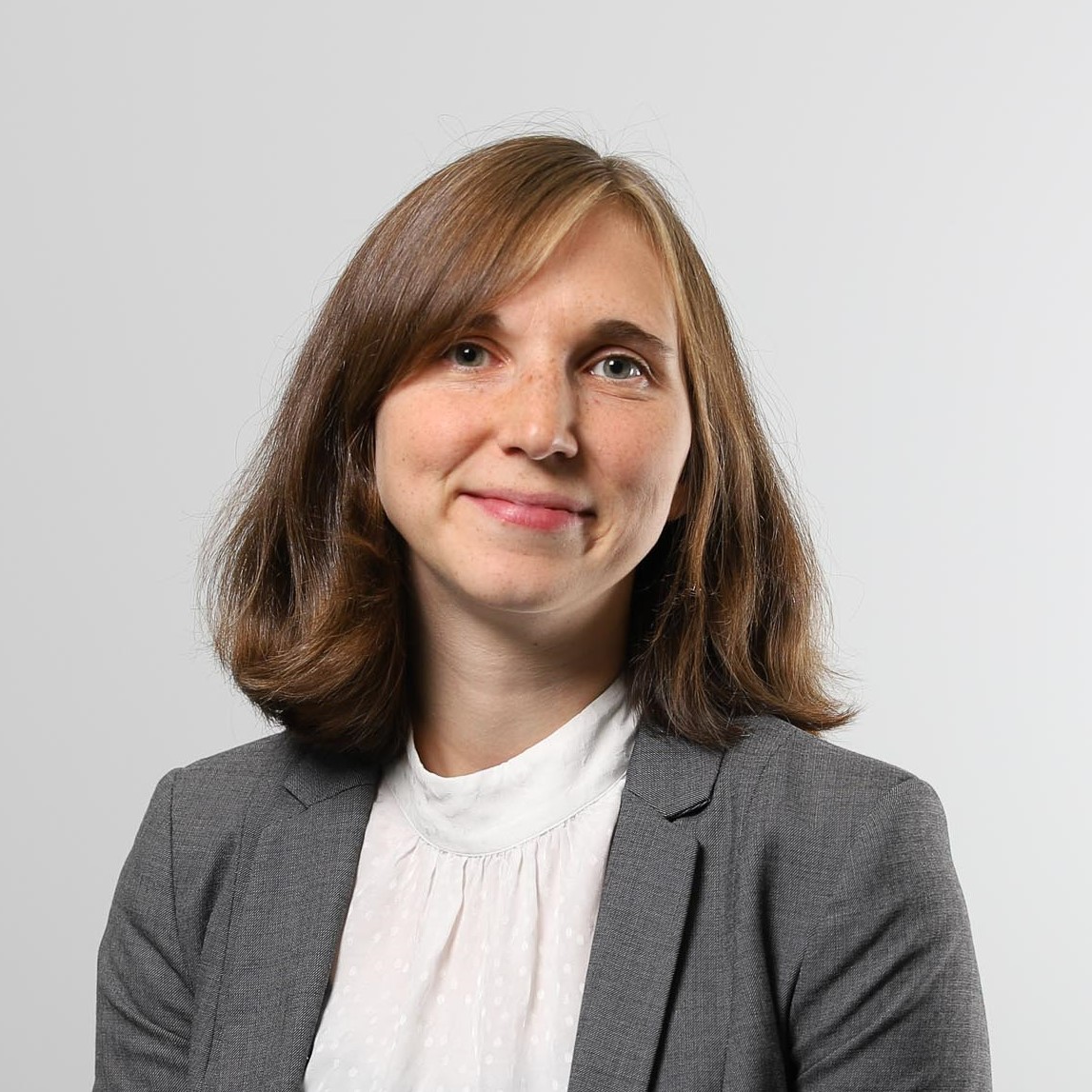
Eva Purkarthofer
Post-doctoral researcher, Aalto University, Dept. of Built Environment
Maija Pero
Coordinator, Aalto University, Dean's Unit of the School of Engineering 


Conference website includes all necessary information about the conference including programme, speakers, venue information, travel info and more.